Deadwood and the Gold Rush Next Door
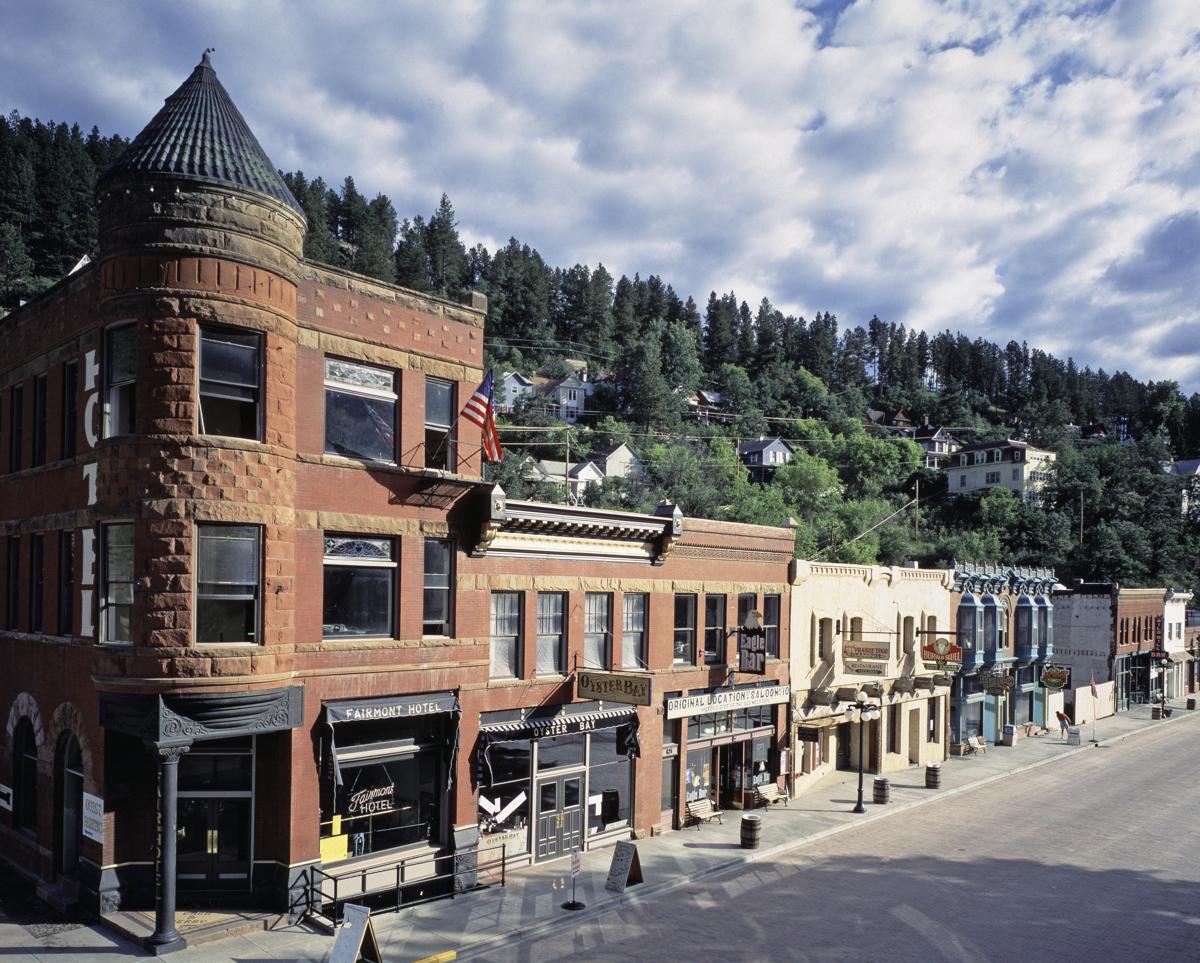
The richest of the Black Hills gold lay in a narrow gulch in the northern part of the range, choked with dead timber that gave the place its name. When word spread in the mid 1870s that there was coarse gold in the gravels of Deadwood Gulch and the streams around it, the rush that followed was sudden and enormous. Thousands of men poured into the Hills in a matter of months, and the camp at Deadwood swelled from nothing into a crowded, muddy, raucous town strung along the bottom of the gulch, its single street jammed between steep timbered slopes.
The trouble was that none of it was legal. The Hills had been recognized as part of the Great Sioux Reservation under the Fort Laramie Treaty of 1868, set aside for the Lakota and closed to white settlement. The gold rush ran straight over that promise. Once the Custer expedition of 1874 confirmed gold in the Hills, the government’s efforts to keep miners out collapsed, and the camps that sprang up, Deadwood chief among them, existed in open defiance of the treaty. The conflict this set in motion would lead to war and, before long, to the seizure of the Hills.
A town with a reputation
Deadwood earned its lasting fame as much for its lawlessness as for its gold. It sat on ground the United States itself had agreed belonged to others, which meant that in its first stretch of existence it had no legal town government, no formal courts, and no clear authority over the thousands of people crowded into the gulch. Into that vacuum came the full cast of a mining boom: prospectors and merchants, freighters and gamblers, saloon keepers and the women who worked the camp’s many establishments. The figures who passed through in those early months, including the gambler shot dead at a card table and the frontier scout who later made the camp part of her legend, fixed Deadwood in the national imagination as the archetype of the wild mining town.
The placer gold that started the rush, the loose gold in stream gravels that a man could work with a pan and a rocker, did not last. The easy diggings were soon exhausted, and the future of the northern Hills came to belong to those with the capital to chase the gold locked in hard rock. That story belonged mostly to the neighboring town of Lead and the Homestake mine, where deep underground mining would continue for more than a century. Deadwood settled into a more durable life as a trading and service center, its boom days giving way to the steadier business of supplying the surrounding district.
Why it mattered to Rapid City
Deadwood’s rush is the reason Rapid City exists. The men who laid out a townsite on Rapid Creek in 1876 were not chasing gold in the gulches themselves. They were betting on the rush, on the simple fact that the thousands of people flooding into the Hills would need flour, lumber, tools, livestock feed, and everything else a population cannot dig out of the ground. Rapid City sat where the Hills met the open prairie, well placed to gather goods coming from the east and the south and pass them along to the camps in the interior and the north. The supply trade ran along the freight roads and stagecoach lines that linked the new town to the diggings, and Deadwood was the largest market at the far end of those roads.
So the fortunes of the two towns were tied together from the start, though they grew into very different places. Deadwood remained the storied gold camp, its name shorthand for the frontier at its wildest. Rapid City became the practical hub, the supply point that outlasted the rush precisely because it was never wholly dependent on the gold. When the placer boom faded and the easy money was gone, the camps that had nothing else to offer dwindled, while the towns that had become genuine centers of trade and transport carried on.
The gold rush passed into history and then into legend, and Deadwood eventually leaned into that legend, rebuilding itself around the memory of its boom years. But the rush left a heavier mark than tourist appeal. It broke a treaty, it drew a war down on the Lakota, and it planted the towns, Rapid City among them, that would carry the modern life of the region forward long after the gulch gravels were played out.